More color
Use a scarf, knit or existing accessory to introduce a shade you enjoy. Keep the rest calm if that helps it feel comfortable.
Guide 02 · Details with purpose
Let comfort lead, then choose one small change in color, texture or finish that makes a familiar outfit feel ready for a gathering.
Festive dressing does not have to mean replacing a practical winter outfit. Begin with the pieces that already work for the weather and your plans: the coat that keeps you comfortable, trousers or a skirt you can move in, and footwear suited to the route. Keeping this base stable makes it easier to decide what, if anything, would make the look feel more occasion-ready.
That question is personal. One person may enjoy a little shine; another may prefer a rich color, a soft fabric or a carefully finished knit. An outfit can feel celebratory without being formal, and the right level of dressing depends on the event, the people attending and what makes you feel at ease. There is no universal festive uniform.
Try a quick mirror check from a few steps away. Notice whether one detail already draws attention. If your coat has an expressive collar or your sweater has a visible texture, you may not need to add more. A deliberate choice can be as simple as leaving an outfit uncluttered.
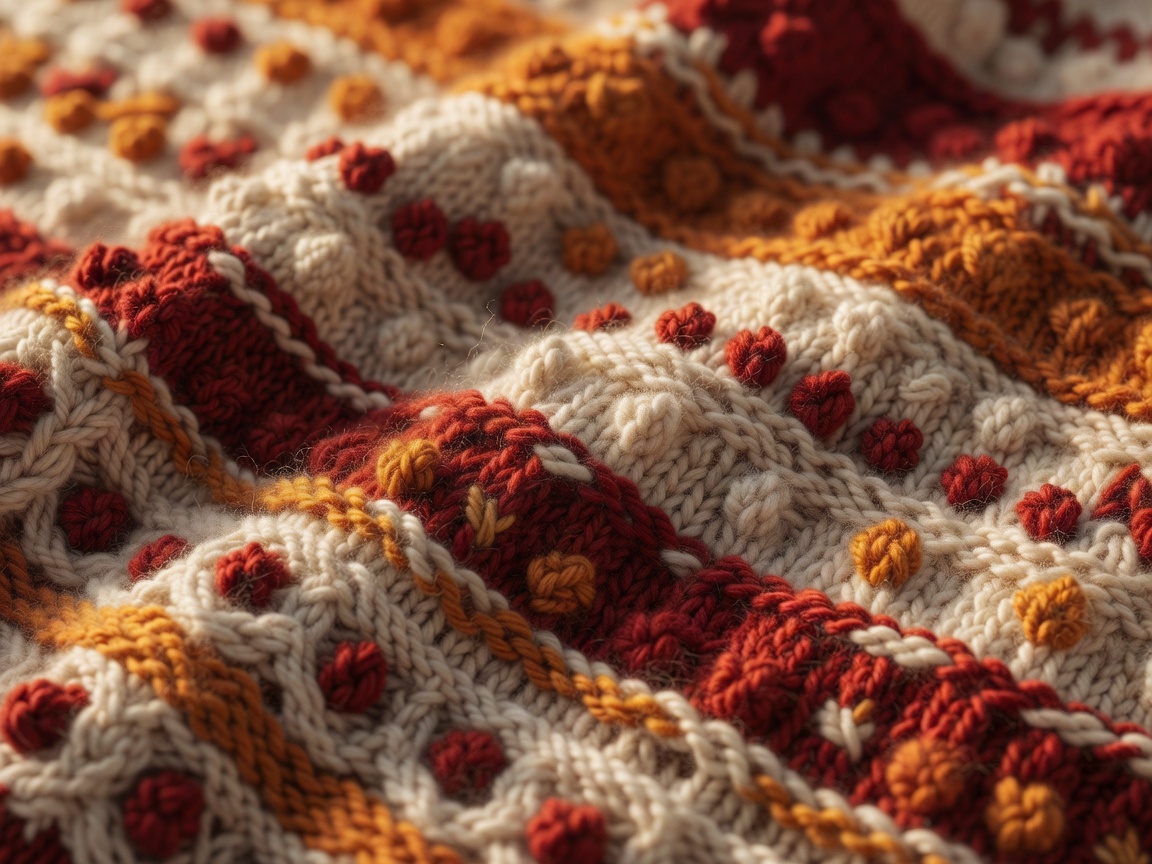
Texture can change the feeling of familiar clothes without changing their basic shape. A ribbed scarf, brushed knit, velvet ribbon, smooth leather detail or softly reflective fabric can add depth. Start with what is already in your wardrobe and consider how it sits beside the rest. A heavily textured layer often pairs comfortably with simpler surfaces, while a plain outfit can make room for one tactile accent.
Think about practical contact as well as appearance. A scarf may be warm but too bulky under a coat; a delicate accessory may snag on a knit; a slippery fabric might need securing. Try the combination before the event and make sure you can sit, walk and remove outer layers easily. The small detail should support the day, not create another task.
If you enjoy color, choose a shade that feels at home with the clothes you own. Repeating a color already present in a shoe, bag or coat can help an outfit feel coherent. You do not need to match everything precisely. A related tone or a simple contrast can be enough to make the combination feel intentional.
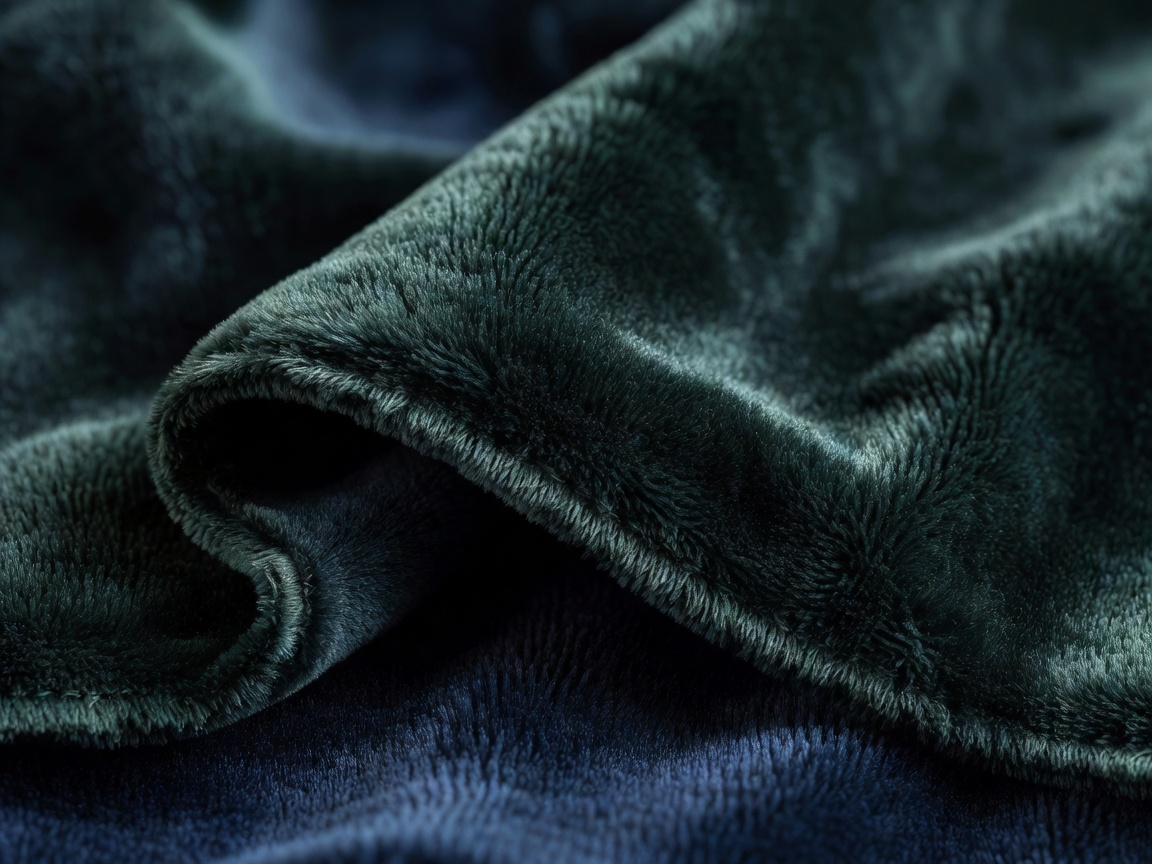
When an outfit feels unfinished, it can help to name what you want to change before reaching for accessories. Pick one direction and see if it answers the question:
Use a scarf, knit or existing accessory to introduce a shade you enjoy. Keep the rest calm if that helps it feel comfortable.
Bring together contrasting surfaces, such as a smooth coat over a nubby knit, without creating uncomfortable bulk.
Refresh a familiar item, choose practical footwear in good condition or add one modest detail that suits the occasion.
These are options, not requirements. If your first choice feels fussy or makes the outfit less useful, take it off. A festive finish should remain wearable through the actual event, including the walk there, the room temperature and the time you will spend on your feet.
Different plans call for different levels of finish. A casual meal with friends might suit a familiar sweater and a scarf chosen for its color. A more formal gathering may invite a sharper coat, a clean collar or a carefully chosen accessory. Family traditions and local customs also shape what feels right. When you are unsure, comfort and respect for the event are better guides than trend rules.
Consider the setting before you add delicate or valuable pieces. A crowded room, outdoor walk or busy day may call for accessories that are secure and easy to manage. If you are attending an event with a dress expectation, follow the host’s guidance while adapting it to your needs. The aim is not to look like someone else; it is to feel prepared and considerate.
A useful finishing note can be removed or adjusted as circumstances change. A scarf may come off indoors; a coat may be checked at the door; a more formal layer can be set aside when the evening becomes relaxed. Small, flexible choices let a familiar outfit work through more than one moment.
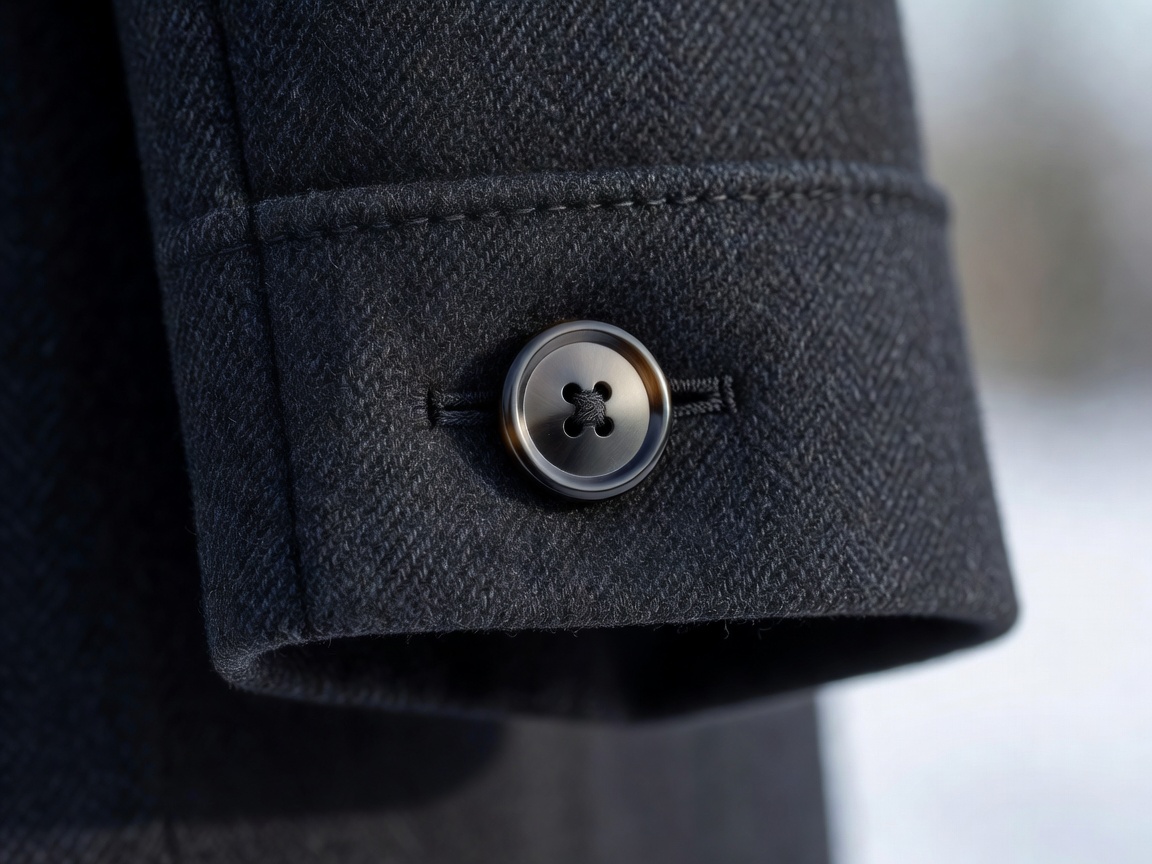
Repeating a favorite winter outfit is practical and often a sign that the combination serves you well. A change in scarf, a different knit underneath or a thoughtful repair can help familiar pieces feel cared for. Before buying anything for one event, look through what you already own and consider borrowing or swapping with someone you trust if you truly need another option. Buying less is not a test of virtue; it is one way to keep clothing in use and reduce unnecessary pressure.
Take care with delicate finishes. Check labels before washing, avoid rough storage that can catch a knit, and remove lint or surface dust gently. If an accessory is uncomfortable or difficult to maintain, it may not be the right addition for this occasion. A modest, repeatable detail is often more useful than something that only works once.
Most importantly, do not judge your outfit against a body ideal or a set of rules about what people “should” wear. Clothes are tools for warmth, expression and participation. Choose a finish that feels comfortable and respectful to you, then get on with enjoying the event.
We use cookies Some cookies are needed for the site to work. Others help us understand how it is used. You can change your choice later. More about cookies