Guide 03 · One day, more than one setting
Take one outfit through the day
Plan for movement, temperature changes and the occasion you are heading toward. Adapt what you wear without losing the comfort that made it work in the first place.
Map the day before the outfit
A day that begins with errands and ends at a gathering can involve several different conditions. You may walk outside, wait for transit, sit in a warm room and then head back into the cold. Before you get dressed, sketch the shape of the day: where you will go, how long you will be outside, what activities need freedom of movement, and whether there is somewhere to put an extra layer.
This is not about planning every minute. It is a quick way to spot practical needs early. If the evening setting is more formal, you may want a removable detail that fits in a bag. If the weather is wet, choose outerwear and footwear with the route in mind. If you will be carrying things, keep accessories simple enough to manage.
Think of the outfit as a reliable base plus one or two optional adjustments. That approach is easier than packing a full change of clothes and usually makes better use of familiar garments. It also leaves room for the day to change without making you feel underprepared.
Choose a base that earns its place
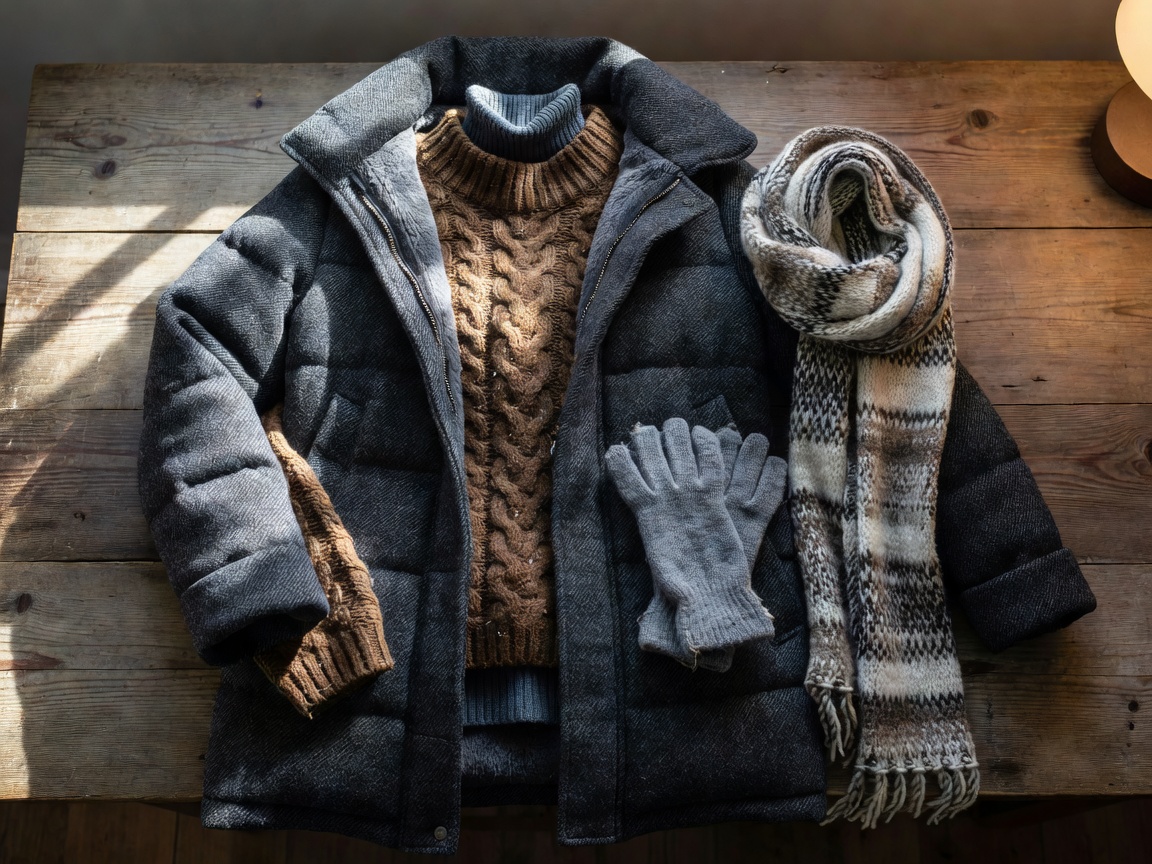
The base is the part you will be comfortable wearing for most of the day. It could be a familiar knit with trousers, a warm dress and tights, or another combination that suits your own routine. There is no single body type, silhouette or level of formality that defines an adaptable outfit. Prioritize freedom to move, appropriate warmth and the confidence that comes from knowing how the clothes feel.
Check the fabric and construction for the jobs you need them to do. Can you sit comfortably for a meal? Can you walk at your usual pace? Does the outfit fit beneath the coat you intend to wear? Are the hems practical for the ground and weather? Trying these details at home avoids discovering an uncomfortable seam or awkward layer after you have left.
Choose a base that can accept a change in temperature. A removable cardigan or open-front layer gives you an option indoors. A scarf can add warmth while traveling and be set aside once you arrive. Keep the pieces that you can adjust quickly close at hand rather than burying them under everything else.
Plan a simple transition
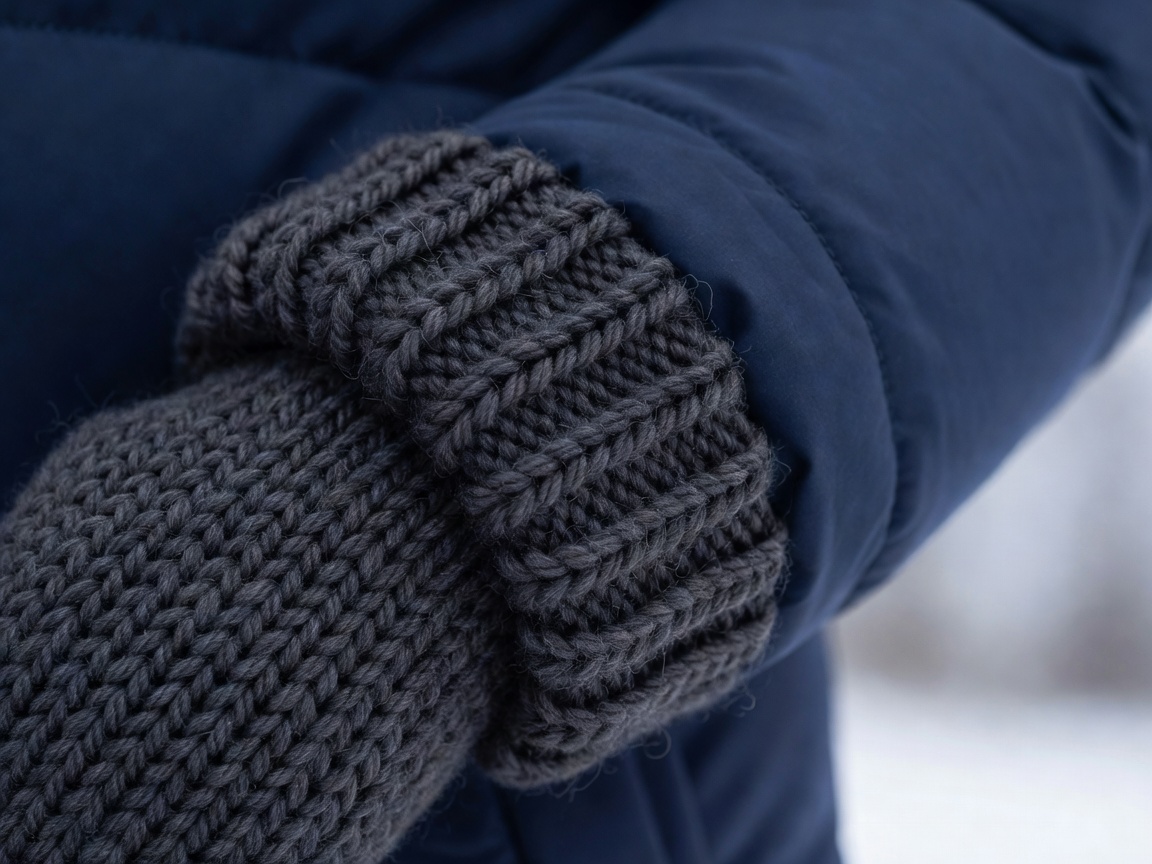
A transition does not need to be dramatic. Decide what the evening asks for and choose a single change that you can carry easily. Perhaps you want a softer scarf, a different layer, a neat accessory or a coat that feels more suitable for the setting. The best choice is one you can put on or remove without disrupting the practical base.
Make sure your plan is realistic. If you do not have time to change, choose an outfit that already fits both settings. If you will be carrying an accessory, consider how it fits in your bag and whether you are comfortable keeping track of it. A small decision made ahead of time can lower stress, but the plan should never become another obligation.
Make footwear part of the plan
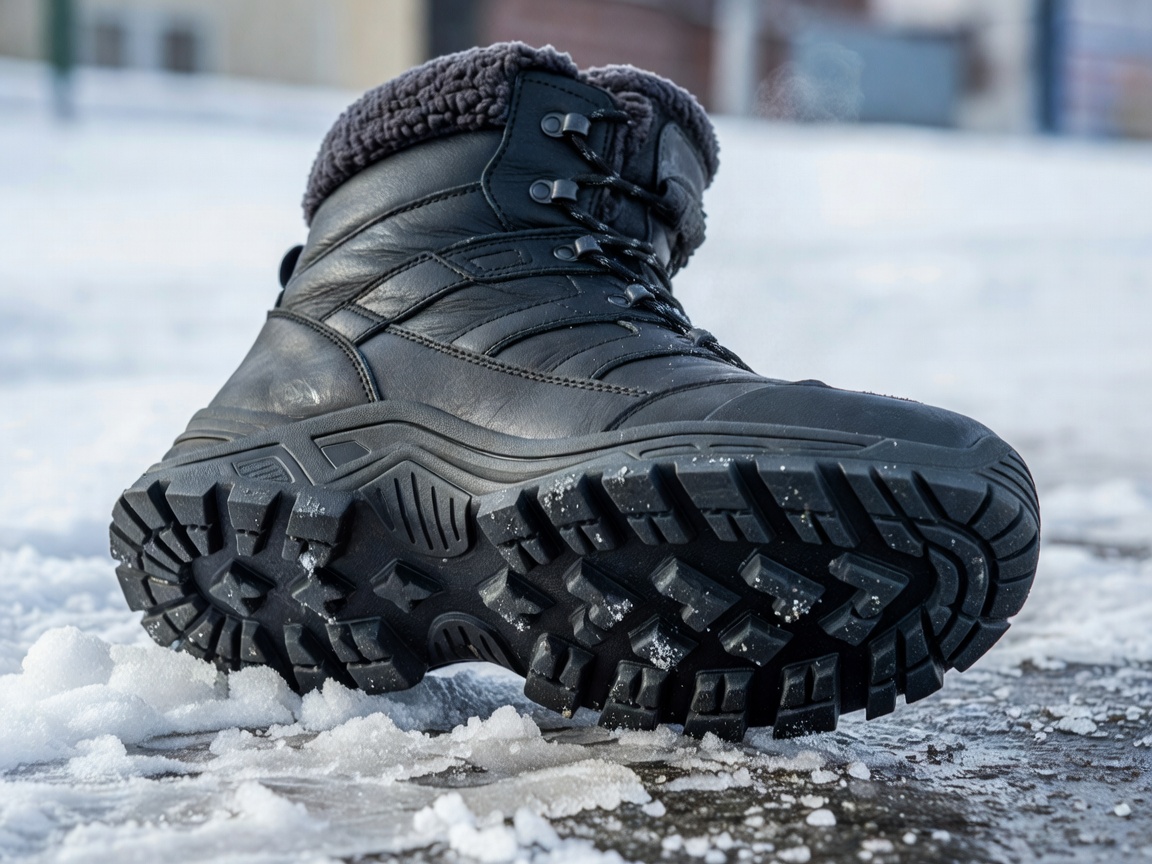
Footwear often determines whether an outfit feels practical throughout a winter day. Consider distance, surface conditions, the weather and how long you expect to stand. A shoe that feels suitable indoors may not be comfortable for a wet walk; a boot that works outside may need a moment to change or loosen once you reach a warm venue. Think about the entire route, not only the photograph or the destination.
There is no need to choose between comfort and a considered appearance. Clean, well-maintained shoes in a style you can walk in may already suit the occasion. If you plan to bring a second pair, account for the extra weight and storage. If you do not, make sure the footwear you wear can work across the settings you expect.
Check soles and closures before a long day. A quick clean, a repaired loose fastening or dry socks can improve comfort more than an entirely new outfit. Small maintenance steps also help keep reliable pieces in use.
Keep the evening adjustment small
When you arrive, notice the actual conditions before changing anything. If the room is warm, remove the coat and open a layer. If the gathering is relaxed, a comfortable knit may already be right. If the occasion feels more dressed, a scarf, a tidy collar or an accessory can offer a little polish. You can make the adjustment after you see the setting rather than guessing in advance.
Keep a small personal kit if it genuinely helps: a spare hair tie, a compact lint brush, a basic repair item or a small bag for an accessory. Avoid carrying items you do not use. The goal is to feel prepared, not to turn a social event into an outfit management exercise.
After the day, note what worked. Was the base comfortable? Did the coat fit over the middle layer? Was there an accessory you did not need? These observations make future choices easier and help you repeat good combinations. A wardrobe becomes more versatile through use and attention, not by constantly replacing what is already serviceable.