Guide 04 · Wear, maintain, repeat
Keep winter pieces in use
A few considerate care habits can make familiar clothes more comfortable to reach for, season after season. Let labels and material needs guide the details.
Read the garment before washing
Winter clothing often combines fibers, linings and finishes that need different treatment. Before washing a knit, coat or scarf, check its care label and any instructions supplied with the garment. A wool blend, a lined jacket and a synthetic fleece may look similar in a closet but respond differently to water, heat and agitation. When the label is unclear or the item is valuable or structured, seek qualified cleaning advice rather than guessing.
Washing less often can also be a practical choice when a garment is not dirty. Airing an item between wears, spot-cleaning a small mark where appropriate and brushing away surface dust may be enough. This is not a universal rule: follow the label and your own hygiene needs, and clean items when they need it.
Prepare clothes before cleaning. Empty pockets, close fasteners if appropriate and separate items according to care instructions. Treat stains promptly but gently, testing an inconspicuous area where the material allows. Vigorous rubbing can distort a knit or damage a finish, so use the method recommended for that specific fabric.
Dry with the shape in mind
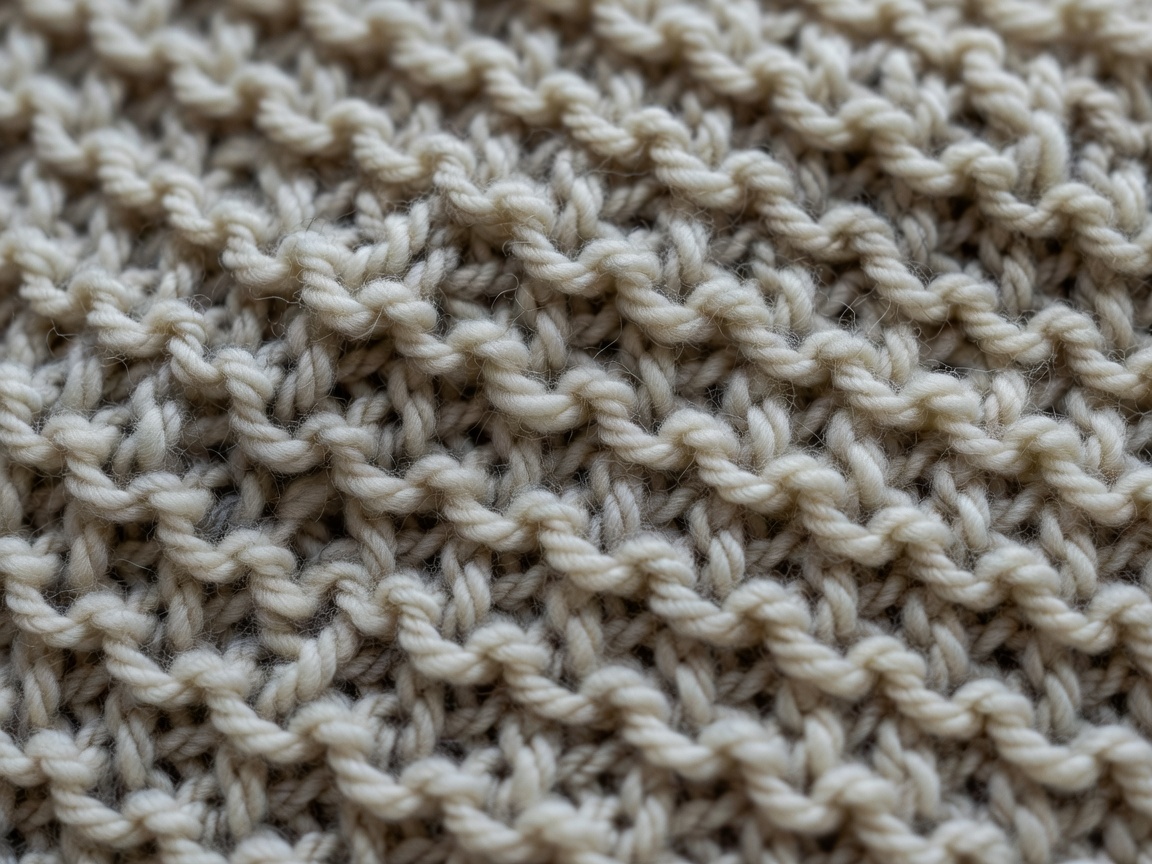
Drying is part of garment care, not an afterthought. Heat can affect some fibers, elastic components and finishes, so check the label before using a dryer or placing an item near a heat source. For knits that should be dried flat, support the garment so its weight does not stretch the shoulders or length. Reshape it gently while damp if the care directions permit.
For coats and structured pieces, follow the care label and avoid compressing them while damp. Give garments space and adequate air circulation. Do not put wet clothes away in a crowded wardrobe, where moisture can linger. If a coat has become soaked, check its instructions and allow it to dry thoroughly before storing it.
Small habits keep the routine manageable: hang a coat where it can air after coming indoors, let boots dry naturally according to their material guidance, and keep damp accessories separate until they are ready to be stored. Avoid assuming that a method suitable for one item is safe for another.
Repair small things early
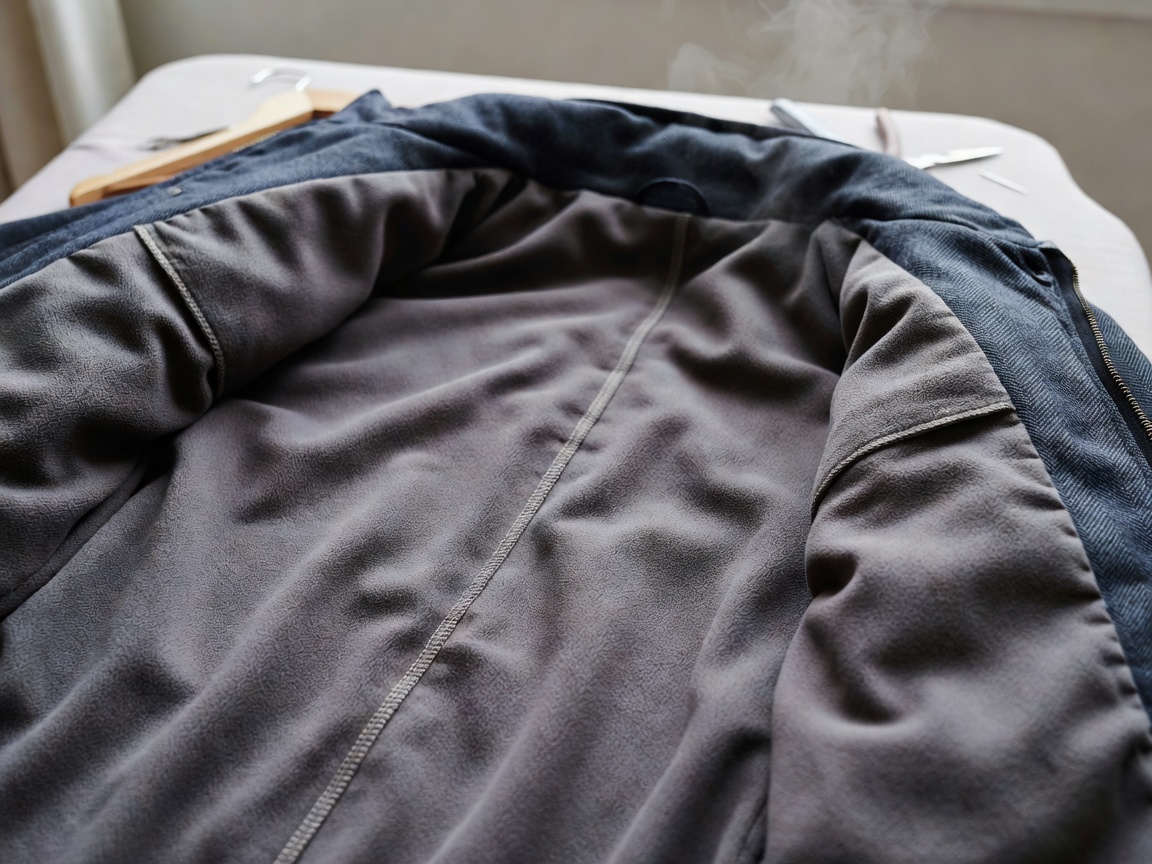
A loose button, a small seam opening or a fraying cuff can make a useful garment harder to wear. Check frequently used pieces at the start of cold weather and again when you notice a change. A simple repair may be within your skills, but it is also reasonable to ask a tailor or repair service for help, especially with complicated construction or fabric you do not want to risk.
Before mending, look closely at the problem. Is the thread loose, is the fabric worn through, or is a fastener damaged? Choose a fix that suits the material and the amount of strain the area receives. A temporary repair can help for the day, but do not treat it as a permanent solution if the garment is under tension. Keep any saved spare buttons or care details together so they are easy to find.
Repairs do not need to be invisible to be worthwhile. A visible mend can be a satisfying way to extend a garment’s use, provided the repair is secure and comfortable. If a piece cannot be repaired economically or safely, consider whether it can be repurposed or responsibly passed on instead of leaving it forgotten in storage.
Care for the pieces that meet the weather
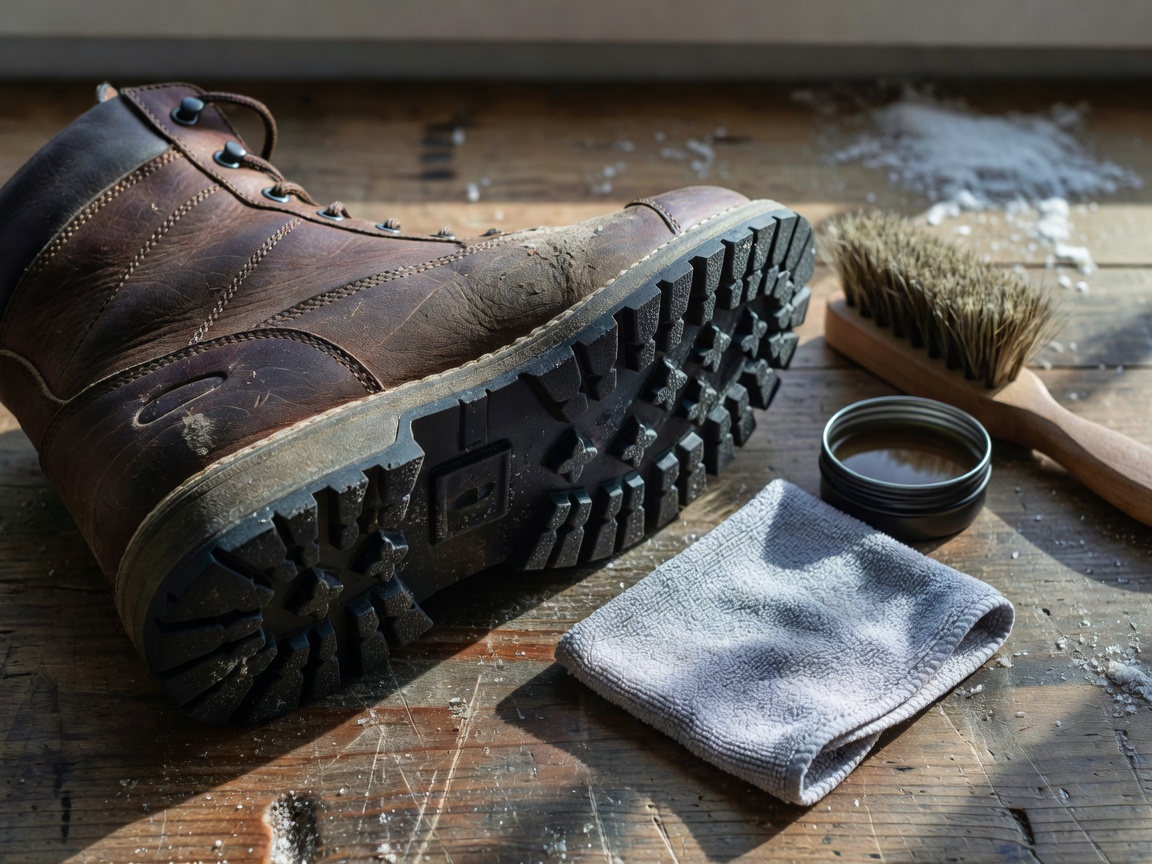
Coats, scarves, gloves and footwear often do the hardest work in winter. Brush away dry dirt when suitable for the material, empty pockets, and check closures after a busy stretch of wear. For footwear, follow the maker’s care guidance because leather, suede, textile and synthetic surfaces need different products. Test any cleaner or treatment on a small hidden area first if the instructions advise it.
Look at practical details as well as visible dirt. A loose coat button, a flattened scarf fringe or a boot fastening that catches may be easy to address before it becomes a reason to stop wearing the item. Avoid applying a product simply because it is marketed for “winter” care; verify that it is safe for your particular material and finish.
Accessories are easier to maintain when they have a consistent home. Keep gloves together, let scarves dry before folding and store small items where they will not be crushed. A little order helps you remember what you own and makes getting dressed on cold mornings less hurried.
Store for the next cold day
Before seasonal storage, clean garments as directed and let them dry fully. Fold heavy knits rather than leaving them stretched on hangers if the garment is prone to losing its shape. Store items in a clean, dry place, and avoid packing them so tightly that air cannot circulate. If using a storage container or garment cover, choose an option appropriate to the item and the conditions where it will be kept.
Make the next season easier by noting repairs or changes you want to make. A small paper or digital list can remind you that a button needs replacing or a scarf needs attention before the weather turns. Keep this note with your seasonal wardrobe routine, not buried among unrelated tasks.
Good care is not about keeping clothes perfect. Everyday wear is expected, and garments can still be useful when they show signs of life. The aim is to make informed choices, protect what matters to you and avoid discarding a piece simply because it needs a little attention. If you enjoy wearing it and it serves your day, thoughtful care can help it stay in rotation.