Guide 01 · Comfort before styling
Build warmth in layers
A useful winter outfit adjusts to the weather and the day. Think in flexible layers, not a strict formula or a target number of garments.
Start with the conditions
Before choosing clothes, picture the day from door to door. Check the temperature and wind, consider whether precipitation is likely, and think about how much time you will spend outside. A brisk walk, a stationary outdoor event and a warm indoor gathering ask different things of clothing. The same outfit may feel comfortable on the move and too warm once you are sitting inside, so flexibility is useful.
Use pieces you know rather than relying on a theoretical layering system. A comfortable shirt, familiar knit and outer layer that blocks the conditions may be more helpful than several unfamiliar items. Personal comfort varies, so treat any general advice as a starting point and adjust to your own experience.
It can help to make a small weather note before an event: outside temperature, expected time outdoors, and whether you can remove or carry a layer. This prevents last-minute dressing from becoming a guess. If the forecast changes, revise one part of the outfit rather than rebuilding everything.
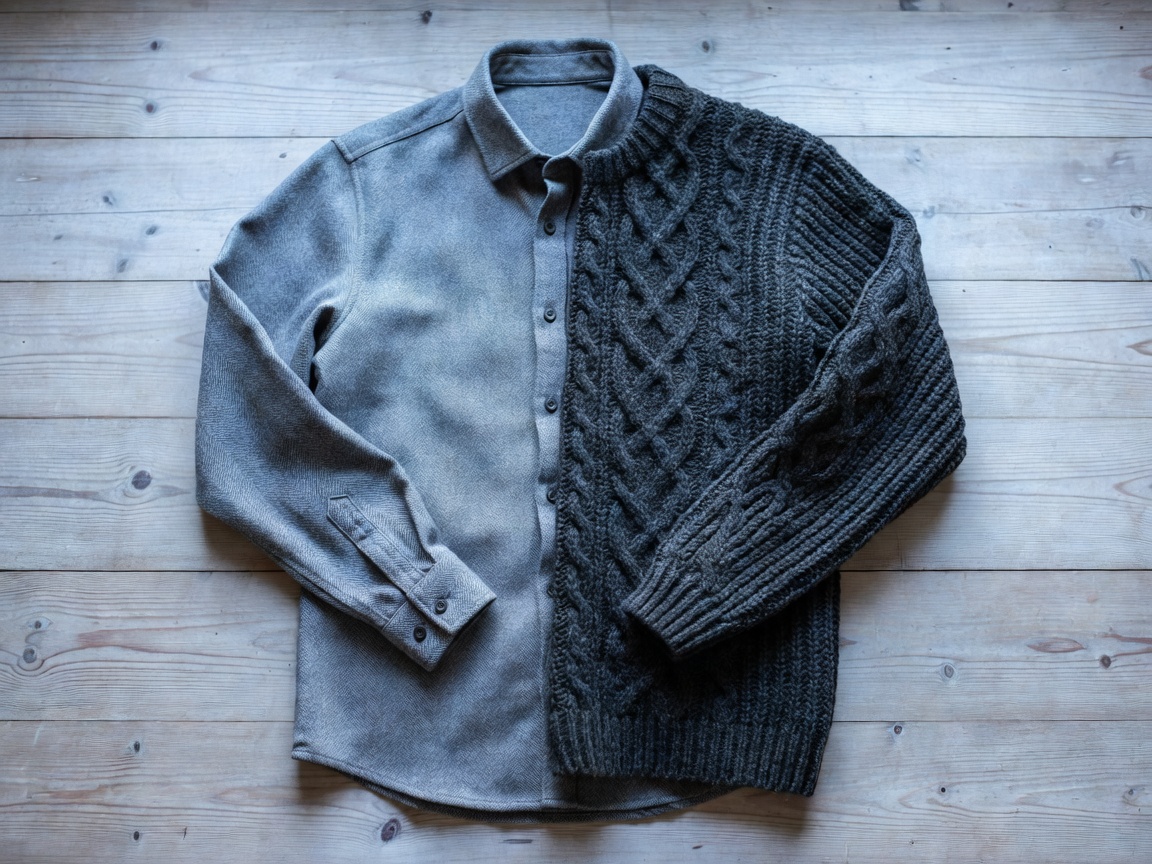
Build a combination that can adapt as you move between places.
Give each layer a job
A simple way to make layers work together is to give each one a purpose. The layer closest to you should feel comfortable against your skin and allow movement. A middle layer can add warmth and provide the texture or color you want to see indoors. An outer layer faces wind, damp and the practical demands of getting around. Those roles can overlap; they are prompts, not rules.
Consider how the fabrics behave together. Smooth surfaces often slide over one another more easily than bulky textures. A generously cut coat may accommodate a knit; a close-fitting coat may work better with thinner layers. Test the combination at home by reaching, sitting and raising your arms. If seams pull or fabric bunches, try a different pairing.
Pay attention to openings and closures too. A scarf, cardigan or coat that can be loosened gives you a quick temperature adjustment. Pockets can hold gloves when you go inside. If your day includes a long indoor stretch, choose an outer layer you can remove and carry without discomfort.
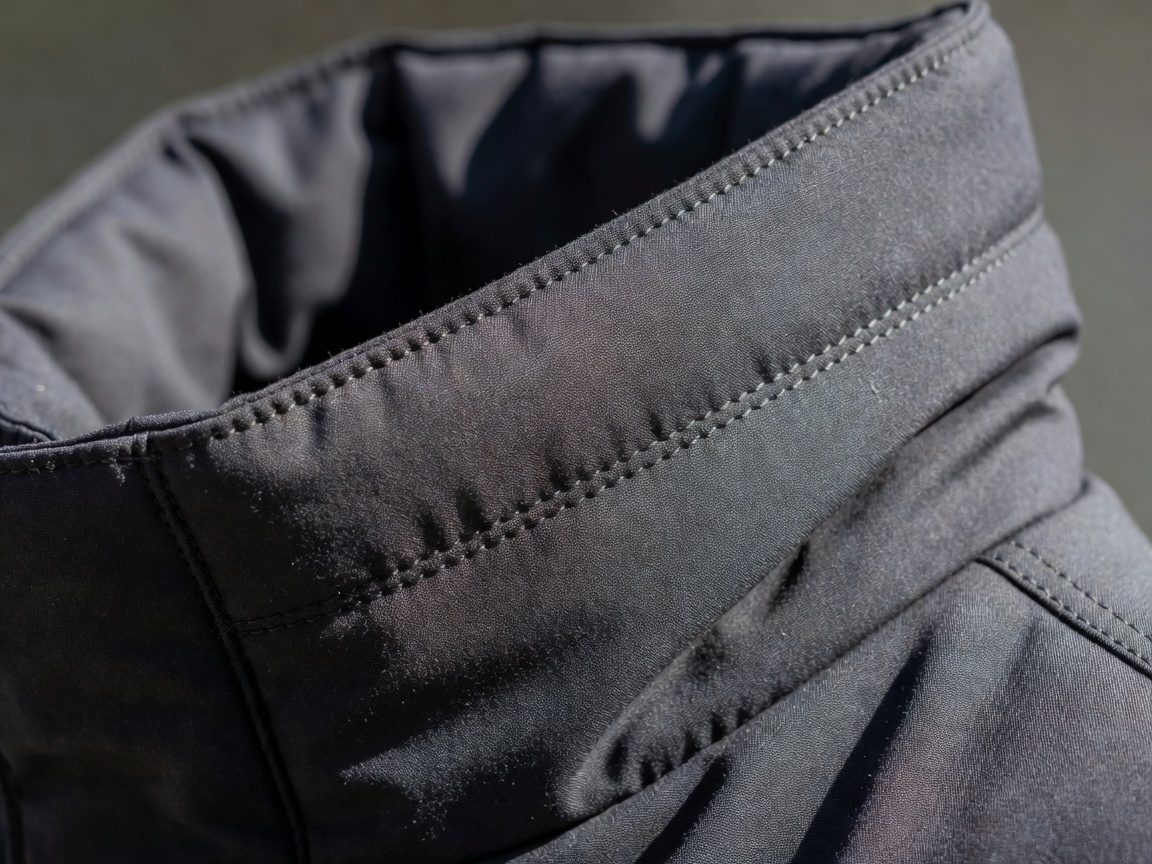
A flexible layer map
Use this sequence as a planning aid, then change it to suit your clothes, weather and preferences.
Not every day needs all four parts, and no single fabric guarantees warmth for everyone. Think about your own experience, garment care instructions and the particular conditions you expect. A layer that is easy to take off can be more practical than one that is simply heavier.
Keep festive details in balance
Layering can also make an outfit feel considered without adding visual complication. Choose a middle layer in a color you enjoy, or let a scarf sit over a plain coat. If a knit is textured, a smoother outer layer can create contrast. If the coat is already distinctive, keep the layer underneath uncomplicated. There is no need to make every item compete for attention.
For an occasion, decide first whether you will be mostly outside, moving between venues or sitting indoors. Then make your warm base reliable and add a finish that can be adjusted. A scarf can come off at dinner; an open cardigan can be removed when a room is warm. The outfit remains recognizably yours rather than becoming a costume for one evening.
Reuse matters here. Repeating a coat or knit is sensible, not a failure of imagination. Small changes in the order of layers, the way a scarf is tied or the footwear you choose can make a familiar combination feel fresh while retaining the comfort you trust.
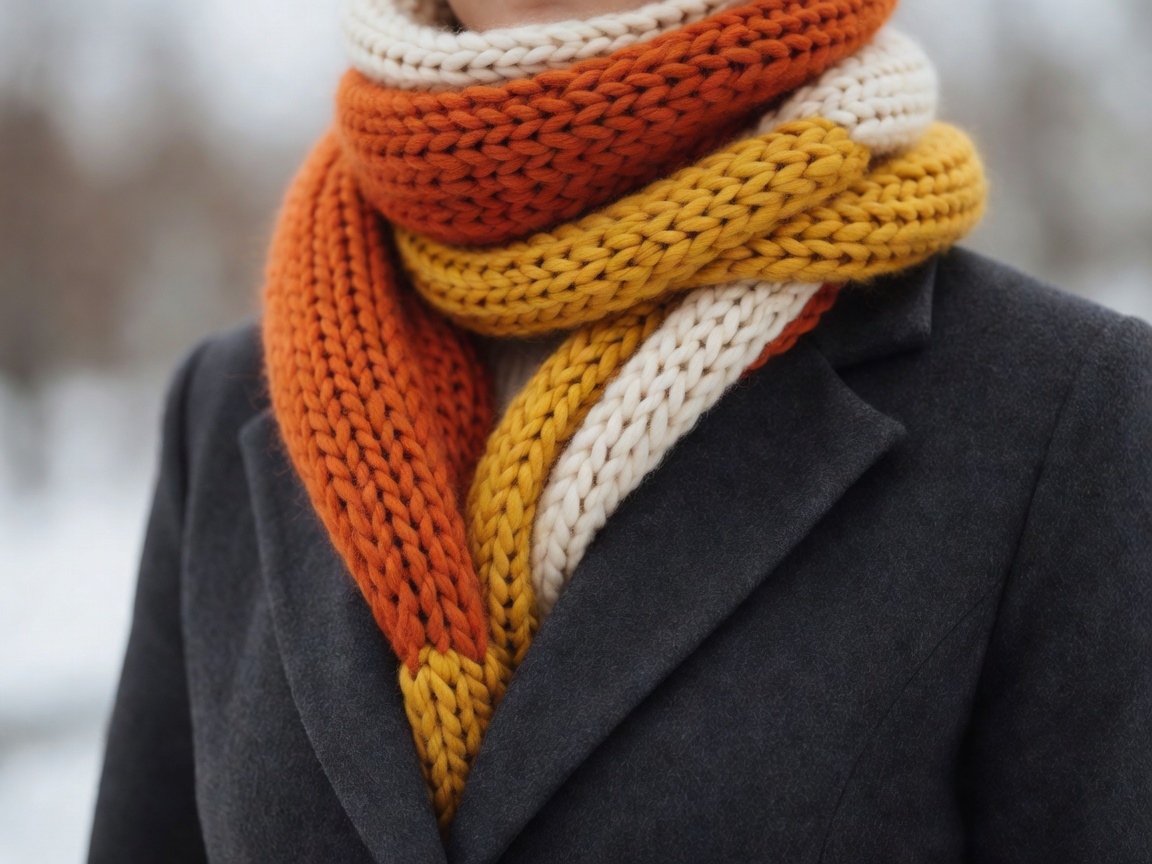
Check the outfit before you go
Put the full combination on and move as you expect to move. Sit down, reach for something and walk around for a minute. Check that hems stay out of the way, cuffs do not bunch uncomfortably and the coat closes without strain. Consider whether footwear is practical for the surfaces you will meet. If the weather may change, decide where a spare layer will go when you are not wearing it.
Small preparation helps more than a complicated wardrobe. Keep frequently used winter accessories together, brush lint from a coat when needed and let damp garments dry according to their care labels. If something feels wrong, identify the cause: too much bulk, a scratchy surface, a coat that restricts movement, or a mismatch with the forecast. One targeted adjustment often solves it.
Finally, remember that warmth is personal. If you are often cold, bring the extra layer that makes you comfortable. If you run warm, favor removable pieces and breathable comfort. These notes are tools for decision-making, not instructions about how anyone should look.